
Uncategorized
Wondering what do home inspectors look for? Learn what gets checked, what raises concerns, and how inspections help Texas buyers and sellers.
What Home Inspectors Really Check
A house can look great during a showing and still have expensive problems hiding in plain sight. Fresh paint, staged furniture, and a clean kitchen do not tell you much about the roof, the electrical panel, or whether the air conditioner is near the end of its life.
That is why buyers and sellers ask the same question: what do home inspectors look for? The short answer is safety, function, and signs of material defects. The better answer is that a home inspection is a full visual review of the property’s major systems and accessible components, with the goal of helping you make a smarter decision before money and deadlines tighten around the transaction.
For buyers in Houston, Austin, and San Antonio, that matters even more because Texas homes deal with heat, moisture, shifting soils, and heavy HVAC use. A thorough inspection helps you see past surface appearance and understand the home’s actual condition.
What do home inspectors look for during an inspection?
Home inspectors are not there to judge decor or tell you whether a home is a good deal. They are there to document condition, identify visible deficiencies, and point out issues that may affect safety, performance, or future repair costs.
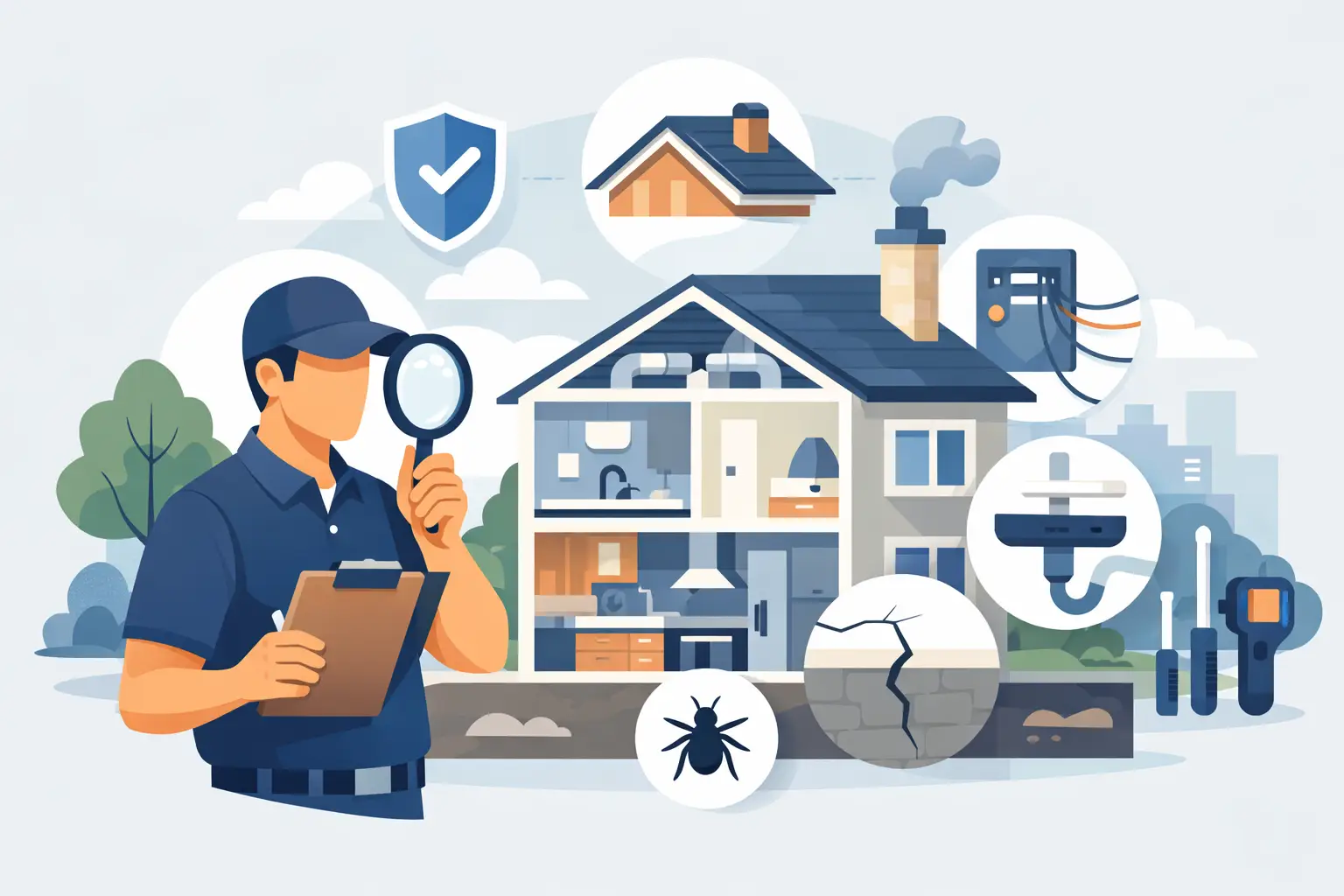
In practical terms, inspectors look at the structure, roofing, exterior, interior, plumbing, electrical, HVAC, insulation, ventilation, and built-in appliances. They are checking whether these systems appear to be operating as intended and whether there are signs of damage, wear, poor installation, or deferred maintenance.
An inspection is primarily visual and non-invasive. That means an inspector is not opening walls or digging under foundations. What they can do is spot clues – staining, rust, improper wiring, drainage issues, movement cracks, missing flashing, or unsafe equipment – that tell a larger story about the home.
Roof, attic, and drainage
The roof is one of the first places inspectors focus because roof problems often lead to bigger issues inside the house. They look for damaged or missing shingles, poor flashing details, soft spots, signs of aging, and anything that suggests the roof may be leaking or nearing the end of its service life.
The attic helps confirm what the roof may be hiding. Inspectors check for water staining, active leaks, inadequate ventilation, damaged framing, and insulation concerns. In Texas, attic heat and ventilation matter more than many people realize because poor airflow can strain the HVAC system and shorten roof life.
Drainage around the home is another major checkpoint. If grading slopes toward the foundation or gutters dump water too close to the house, that can contribute to movement, moisture intrusion, and long-term structural issues. A home does not need standing water to have a drainage problem. Sometimes the warning signs are subtle, like erosion patterns, settlement cracks, or repeated moisture staining.
Foundation and structure
In Texas, foundation concerns are common enough that buyers and sellers should expect careful attention here. Inspectors look for cracks in walls, ceilings, brick veneer, and slabs, as well as sticking doors, uneven floors, and other indicators of movement.
Not every crack means major structural trouble. Some are cosmetic. Some are typical settling. The key is pattern, location, and severity. An experienced inspector documents what is visible and notes when the signs suggest further evaluation may be wise.
Structural review also includes framing where accessible, support posts, beams, and crawlspace components if the home has them. The goal is not to alarm you over every imperfection. The goal is to separate normal wear from conditions that deserve attention before closing.
Electrical system
Electrical defects are among the most important issues inspectors look for because safety is a major concern. They examine the service panel, visible wiring, outlets, switches, and grounding and bonding where visible and accessible.
Common findings can include double-tapped breakers, improper wiring, missing cover plates, reversed polarity at outlets, unsafe panel conditions, and lack of GFCI or AFCI protection in required areas. In older homes, the electrical system may still function but not meet modern expectations for safety or capacity.
This is one area where context matters. A home built decades ago is not judged as if it were brand new, but obvious hazards still matter. Buyers need to know whether a system is merely dated or whether it presents a more immediate concern.
Plumbing system
Plumbing inspections cover supply lines, drain lines, fixtures, water heaters, and visible signs of leaks or corrosion. Inspectors run sinks, flush toilets, test accessible fixtures, and look for poor drainage, missing shutoff valves, loose toilets, and moisture damage around plumbing areas.
Water heaters deserve special attention because they combine plumbing, fuel or electricity, and safety components. Inspectors often note missing discharge piping, improper installation, corrosion, inadequate strapping where required, or signs the unit is aging out.
A slow drip under a sink may not feel dramatic during a showing, but repeated moisture is exactly how cabinets rot, mold develops, and repair costs grow. Plumbing issues are often less about the one visible leak and more about what that leak has been doing over time.
HVAC performance
In Texas, air conditioning is not a luxury item. It is a core system that affects comfort, cost, and sometimes the ability to move in without immediate repairs. Inspectors evaluate the heating and cooling equipment using normal operating controls and look for performance concerns, damaged components, blocked drains, dirty filters, and signs of improper maintenance.
They also review visible ductwork, insulation at refrigerant lines where applicable, and airflow issues they can observe during the inspection. An HVAC system may turn on and still have problems. Weak cooling, unusual noises, rust, or poor condensate management can all indicate a system that needs service or may be approaching replacement.
That does not always mean the deal should stop. It may mean the buyer negotiates repairs, asks for service records, or budgets for replacement sooner than expected.
Interior rooms, windows, and doors
Inside the home, inspectors check walls, ceilings, floors, windows, doors, stairs, and representative installed components. They are looking for cracks, water stains, damaged flooring, unsafe stair conditions, and windows or doors that do not operate properly.
This part of the inspection often connects the dots between cosmetic clues and bigger system concerns. A ceiling stain may point to a roof or plumbing issue. A swollen door frame may suggest moisture intrusion. Repaired drywall in one spot may be nothing, or it may be evidence of a recurring problem.
Buyers sometimes focus on visible finishes because they are easy to notice. Inspectors look at those finishes too, but mainly as evidence. The question is usually not whether the paint looks good. It is what the paint may be covering or revealing.
Exterior components and safety items
The exterior review includes siding, trim, windows, doors, flashing, porches, decks, walkways, and grading. Inspectors look for wood rot, gaps at penetrations, damaged siding, unsafe handrails, trip hazards, and conditions that can let water or pests into the structure.
Safety items are also part of the picture. Smoke alarms, garage door auto-reverse features, railings, and certain electrical protections may be called out when missing or not functioning as expected. Some of these are simple fixes, but simple does not mean unimportant.
What home inspectors look for versus what they do not do
It helps to understand the limits of the inspection. Home inspectors do not perform code compliance inspections for every detail, and they do not predict the exact remaining life of every component. They also do not move heavy furniture, damage finishes to investigate hidden areas, or guarantee that no future issue will ever arise.
What they do provide is a clear snapshot of the home’s visible condition on the day of the inspection. A strong report gives you photos, explanations, and practical next steps. That is especially valuable during short option periods, when fast decisions matter.
This is why report quality matters almost as much as the inspection itself. A photo-rich digital report delivered quickly helps buyers, sellers, and agents act while there is still time to negotiate or plan repairs.
Why this matters for buyers and sellers
For buyers, the inspection reduces uncertainty. You may still love the home, but now you know whether you are walking into minor maintenance, a few negotiation points, or a much larger repair picture.
For sellers, a pre-listing inspection can prevent surprises that derail a contract later. It also gives you a chance to fix issues on your timeline instead of under buyer pressure. In a fast-moving market, clarity saves time.
That is the real answer to what do home inspectors look for. They look for the issues that change decisions, repair budgets, and risk. Some findings are small. Some are significant. Most are manageable when you catch them early and understand them clearly.
If you are buying or selling in a Texas market where timing matters, a thorough inspection is less about finding perfection and more about getting the facts fast enough to make a confident next move. Texas ProInspect builds that process around clear reporting, practical recommendations, and speed, because peace of mind is most useful when it arrives before your deadline does.
Comparte esta publicación